Is Limewash Paint Right for Your Property? Pros, Cons and What to Consider
Limewash paint has become increasingly popular in recent years, particularly in high end residential interiors and design led renovation projects.

Written by
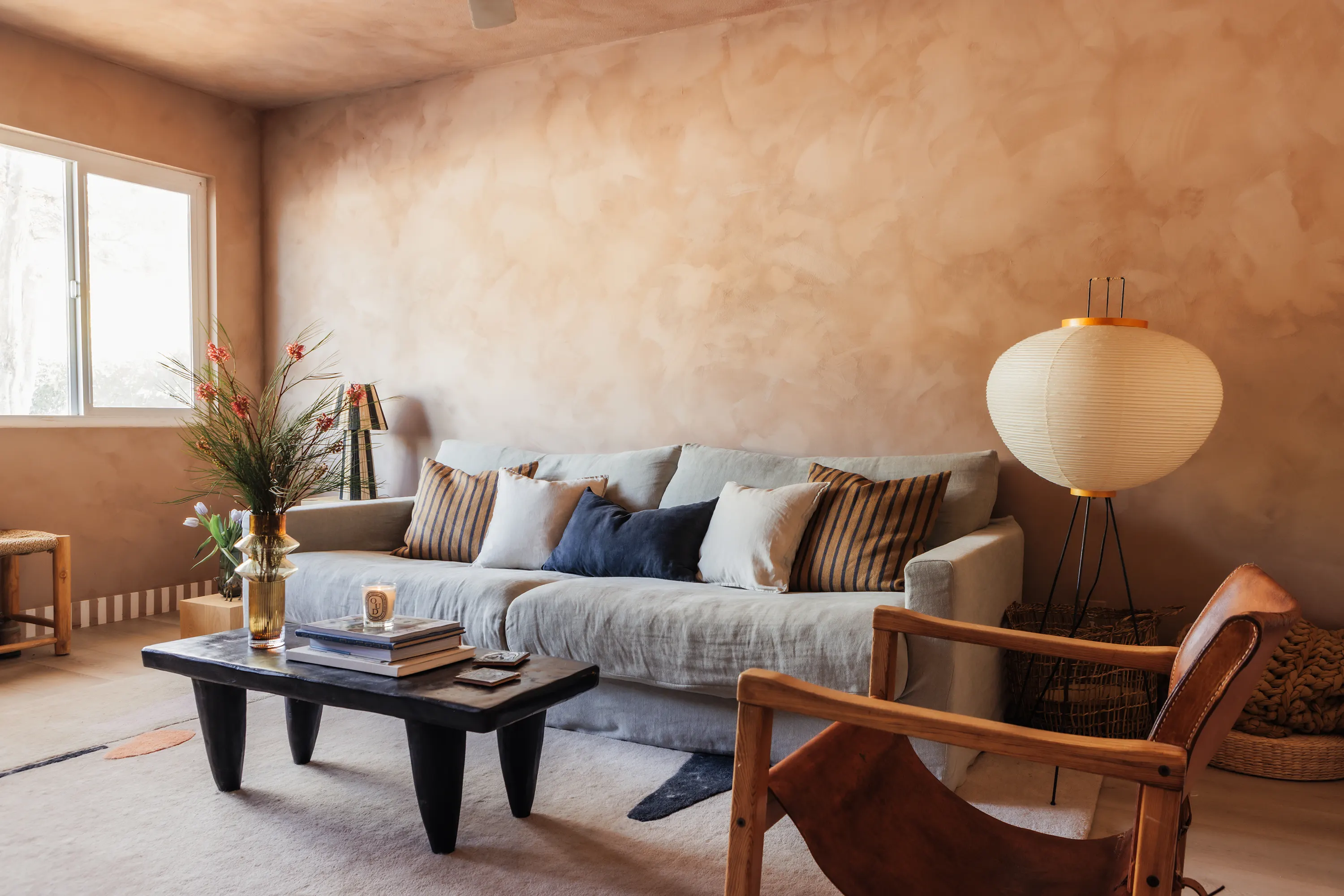
Limewash paint has become increasingly popular in recent years, particularly in high end residential interiors and design led renovation projects. Known for its soft, natural appearance and subtle tonal variation, limewash offers a distinctive finish that differs from conventional modern paint systems. However, while its aesthetic appeal is often the first thing homeowners and designers notice, limewash is not simply a decorative trend. When used in the right environment and applied correctly, it can provide both practical benefits and long term performance.
Generally speaking, deciding whether limewash is right for your home or commercial property often comes down to several factors, including the condition of the surfaces, the type of building, and how the space will be used over time. Properties with breathable substrates, period features, or a focus on natural materials may benefit most from a limewash interior finish, whereas high traffic areas or modern sealed surfaces may require alternative solutions.
Understanding the advantages, limitations, and maintenance considerations of limewash paint is an important first step before making a decision. With the right guidance, homeowners, landlords, builders, and designers can determine whether limewash is the most suitable option for their project or whether a modern paint system may provide better durability and practicality.
What Is Limewash Paint?
Limewash paint is a traditional mineral-based coating made primarily from natural lime and water, sometimes combined with pigments to achieve different colours. Unlike modern paint systems, which typically form a sealed layer on the surface, limewash penetrates porous materials such as plaster, stone, and brick. This allows the surface to remain breathable, which can be particularly beneficial in certain types of properties, especially older buildings where moisture movement needs to be carefully managed.One of the main characteristics of a limewash interior finish is its soft, chalky appearance with gentle tonal variation. Rather than producing a completely uniform colour, limewash creates depth and texture, which many homeowners and designers find appealing in both traditional and contemporary settings. This natural variation is part of what gives limewash its distinctive character and visual interest. Because limewash interacts directly with the surface beneath it, preparation and substrate suitability are important considerations. Generally speaking, limewash performs best on breathable materials such as lime plaster or untreated masonry, while previously sealed or non porous surfaces may require specialist preparation before application. Understanding how limewash behaves compared with conventional paint systems can help ensure the most appropriate finish is selected for the property.
Why Limewash Is Trending Again in High End Interiors
Limewash has seen a noticeable resurgence in recent years, particularly within high end residential interiors and architect-led renovation projects. While lime based finishes have been used for centuries, changing design preferences and a renewed interest in natural materials have contributed to its growing popularity. Homeowners and designers are increasingly drawn to finishes that provide character, texture, and a sense of authenticity, rather than perfectly uniform surfaces.
Social media and interior design trends have also played a role in highlighting limewash finishes, with feature walls and textured surfaces becoming more widely recognised. However, beyond aesthetics, limewash offers practical advantages that are relevant to certain types of properties. Its breathable nature can support moisture management in older buildings, and its mineral composition aligns well with heritage renovations where traditional materials are often preferred.
For developers and designers, limewash can provide a distinctive finish that adds visual depth and individuality to a space, particularly in premium residential projects. When applied correctly, it can create a refined, understated appearance that complements both period properties and contemporary interiors. As with any specialist finish, the key to achieving the desired result lies in selecting the right environment and ensuring proper preparation and professional application.
Where Limewash Works Best
Several factors influence where a limewash finish will perform most successfully. Generally speaking, limewash works best on breathable surfaces where the coating can properly bond and allow moisture to move through the material. This makes it particularly suitable for period properties, heritage buildings, and homes constructed with traditional materials such as lime plaster, brick, or stone.
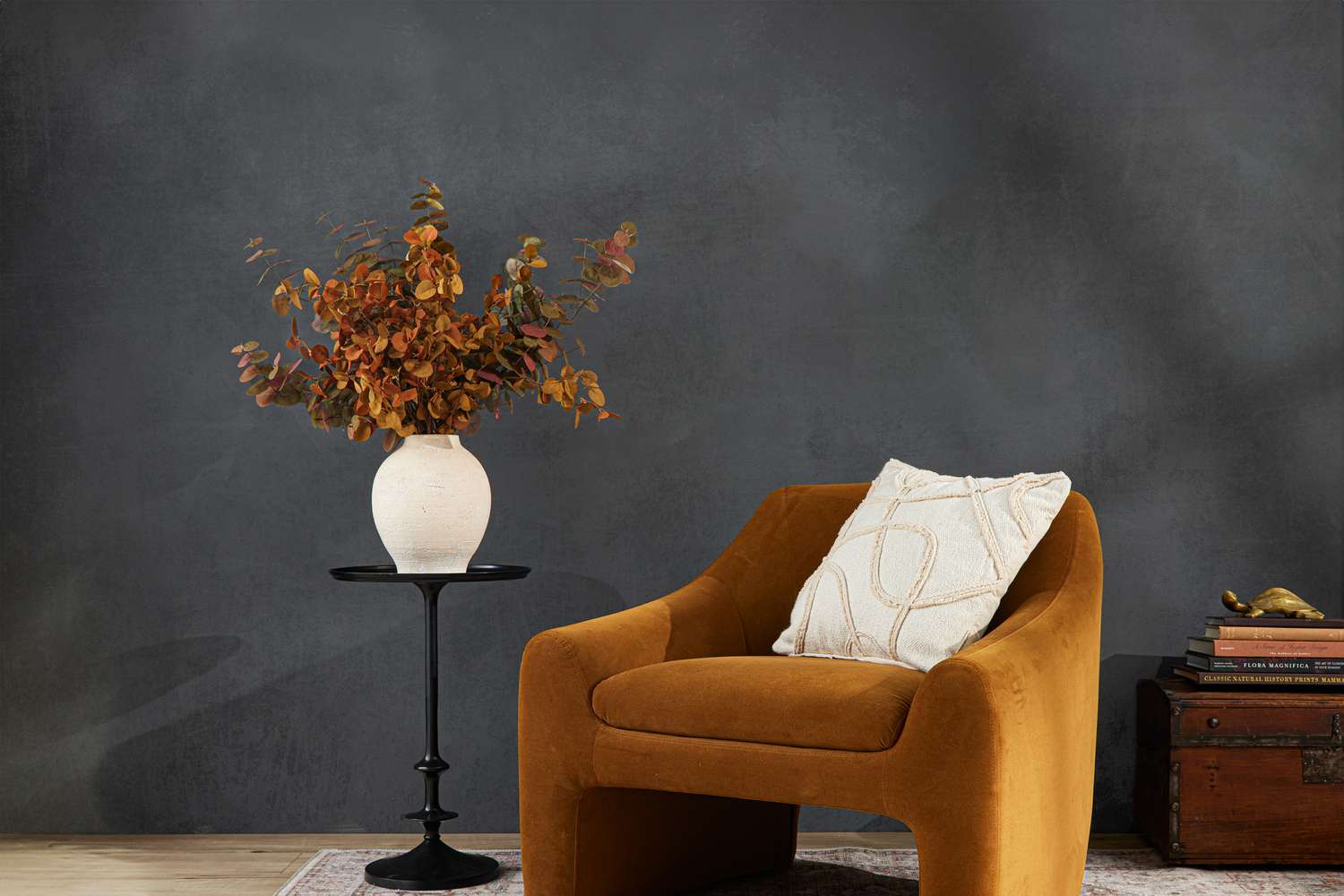
Feature walls are another area where limewash is often used effectively. The natural variation in tone and texture can create visual depth and interest, making it a popular choice in living spaces, bedrooms, and design-led interiors. In high end residential projects, limewash is sometimes specified to achieve a softer, more organic appearance that differs from standard paint finishes.
Limewash can also be appropriate for certain exterior applications, including limewashed brick or stone surfaces, provided the underlying substrate is suitable and properly prepared. In renovation projects where maintaining breathability is important, limewash may offer advantages over modern sealed coatings.
For builders and designers, selecting limewash for the right environment can contribute to both the aesthetic quality and long term performance of a project. As with any specialist finish, understanding the building structure and surface condition is an important part of determining whether limewash is the most appropriate option.
When Limewash May Not Be the Right Choice
While limewash can offer both aesthetic and practical benefits in the right environment, it is not always the most suitable option for every property or space. Several factors influence how well limewash will perform over time, and understanding these limitations is an important part of making the right decision.
High traffic areas are one of the most common situations where alternative paint systems may be more appropriate. Hallways, kitchens, children’s rooms, and commercial environments often experience greater levels of wear and tear, which can lead to marking or uneven ageing on limewash surfaces. In spaces that require frequent cleaning or durability, modern paint finishes may provide better long term performance.
Surface condition is another important consideration. Limewash relies on porous, breathable substrates to bond effectively, so previously sealed walls, gypsum based finishes, or surfaces with existing coatings may require specialist preparation before limewash can be applied successfully. Properties with underlying structural issues or damp problems should also be assessed carefully, as applying any decorative finish without addressing the root cause can lead to premature deterioration.
For landlords, developers, and commercial property owners, maintenance requirements should also be considered. While limewash can be repaired and refreshed, some environments may benefit from more durable coatings that reduce ongoing upkeep. Generally speaking, choosing the right finish often comes down to balancing appearance, practicality, and long term maintenance expectations. Professional advice can help determine whether limewash is suitable for a particular space or whether a modern alternative would provide a more practical solution.
Limewash vs Modern Paint Systems
When deciding between limewash and modern paint systems, it is important to consider how each option performs in terms of durability, maintenance, appearance, and long term suitability for the property. Both finishes have advantages, but the right choice often depends on the environment and the expectations for the space.
One of the main differences is how the materials interact with the surface. Limewash penetrates porous substrates and allows walls to remain breathable, which can be beneficial in older buildings or properties constructed with traditional materials. Modern paint systems, by contrast, typically form a protective layer on the surface, offering greater resistance to scuffs, moisture, and general wear and tear. This can make them more suitable for high traffic areas or environments that require frequent cleaning. In terms of appearance, limewash provides a soft, textured finish with natural tonal variation, creating a sense of depth and character that many homeowners and designers find appealing. Modern paints generally produce a more uniform finish, which may be preferred in contemporary interiors or commercial environments where consistency is important.
Cost considerations can also vary. Limewash materials themselves may not always be significantly more expensive, but preparation requirements and specialist application can influence the overall project cost. Modern paint systems may offer longer durability in certain environments, potentially reducing maintenance over time. However, limewash can often be repaired or refreshed locally without the need for complete redecoration, depending on how it has been applied.
Generally speaking, limewash is often chosen for its aesthetic qualities and breathability, particularly in heritage properties or design focused interiors. Modern paint systems may be more appropriate where durability, ease of cleaning, and long term maintenance are the primary concerns. Understanding how each option performs in your specific environment can help ensure the most suitable choice is made.
Common Limewash Mistakes and How to Avoid Them
As with any specialist finish, the long term performance of limewash depends heavily on preparation, materials, and application technique. While limewash can produce very attractive results when applied correctly, certain mistakes can lead to uneven finishes, poor durability, or premature deterioration. Understanding these risks can help avoid unnecessary cost and disruption later.
One of the most common issues is applying limewash to unsuitable surfaces. Because limewash relies on porous, breathable substrates, applying it over sealed coatings, gypsum based finishes, or previously painted walls without proper preparation can prevent the material from bonding effectively. This may result in patchiness, flaking, or inconsistent colour development over time.
Material quality is another important consideration. Lower quality products or incorrect mixes can affect both appearance and longevity. Similarly, insufficient surface preparation, including inadequate cleaning, priming, or repair work can compromise the final result, regardless of the product used.
Application technique also plays a significant role. Limewash behaves differently from modern paint systems, and achieving an even, natural finish often requires experience and careful handling. DIY attempts or inexperienced application may lead to visible brush marks, uneven absorption, or colour variation that does not match expectations. Generally speaking, many limewash problems can be avoided by ensuring surfaces are properly assessed and prepared before work begins. Professional guidance helps determine whether limewash is suitable for the environment and ensures the correct products and techniques are used to achieve a durable and consistent finish.
How to Decide What’s Right for Your Property
Choosing between limewash and a modern paint system is not always straightforward, and the most suitable option often depends on the specific characteristics of the property as well as how the space will be used. Generally speaking, the decision comes down to balancing appearance, durability, maintenance expectations, and the condition of the surfaces being decorated.
Limewash may be the right choice if you are looking to achieve a softer, more natural aesthetic with subtle variation and depth. It is often well suited to period properties, breathable substrates, and design-led interiors where character and texture are important. Homeowners undertaking renovations, as well as designers specifying finishes for high end projects, may find that a limewash interior finish provides the desired visual effect while supporting the building’s natural structure.
However, modern paint systems may be more appropriate in environments where durability and ease of maintenance are the priority. High traffic areas, family homes requiring frequent cleaning, rental properties, or commercial spaces often benefit from coatings designed to resist wear and tear over time. In these situations, a more durable paint finish can provide longer service life with reduced ongoing maintenance.
For builders, landlords, and developers, considering the long term use of the space is particularly important. Selecting the right finish at the outset can help minimise future maintenance costs while ensuring the property performs as expected.
Professional advice can help clarify which option is most suitable for your specific project. Assessing the substrate, environment, and intended use of the space ensures the chosen finish delivers both the desired appearance and reliable long term performance.
Professional Guidance Makes the Difference
Limewash can be a very effective and attractive finish when used in the right environment and applied correctly. Its natural appearance, breathable qualities, and distinctive character make it a popular choice for certain properties, particularly period homes, renovation projects, and design-led interiors. However, as with any specialist finish, achieving long term performance depends on careful preparation, suitable surfaces, and professional application.
Understanding whether limewash is the most appropriate option for your property often comes down to assessing the building itself, how the space will be used, and the level of durability required. In some situations, a modern paint system may provide a more practical solution, while in others, limewash can offer both aesthetic and functional benefits.
For homeowners, landlords, builders, and designers, seeking professional advice at an early stage can help ensure the right products and techniques are selected. This reduces the risk of avoidable problems and helps achieve a finish that performs well over time.
Quality First Decorators provide professional painting and decorating services across West Sussex and the surrounding areas, working with residential clients, developers, and commercial projects to deliver high quality finishes tailored to each property. If you are considering limewash or exploring alternative paint options, our team can offer guidance based on experience and practical knowledge.
To discuss your project or arrange a consultation, contact Quality First Decorators today and take the first step towards achieving a finish designed to last.
Why We Use Bauwerk Colour Limewash Paint
When we talk about limewash with our clients, we always come back to one brand we know and trust - Bauwerk Colour.
There are many lime based paints on the market, but not all limewash is created equal. Bauwerk Colour has built its reputation on authenticity, craftsmanship and beautifully curated, mineral based colours that feel timeless rather than trend led.
A Truly Mineral Finish
Bauwerk Colour paint is made using traditional lime based formulas and natural pigments. The result is a breathable, mineral finish that gently softens light and creates that distinctive movement across the surface, something modern flat emulsions simply can’t replicate.
Unlike standard paint systems that sit on the surface, limewash becomes part of it. It bonds into porous substrates, creating depth and character that develops subtly over time.
Depth, Texture and Atmosphere
What our clients love most is the atmosphere it creates.
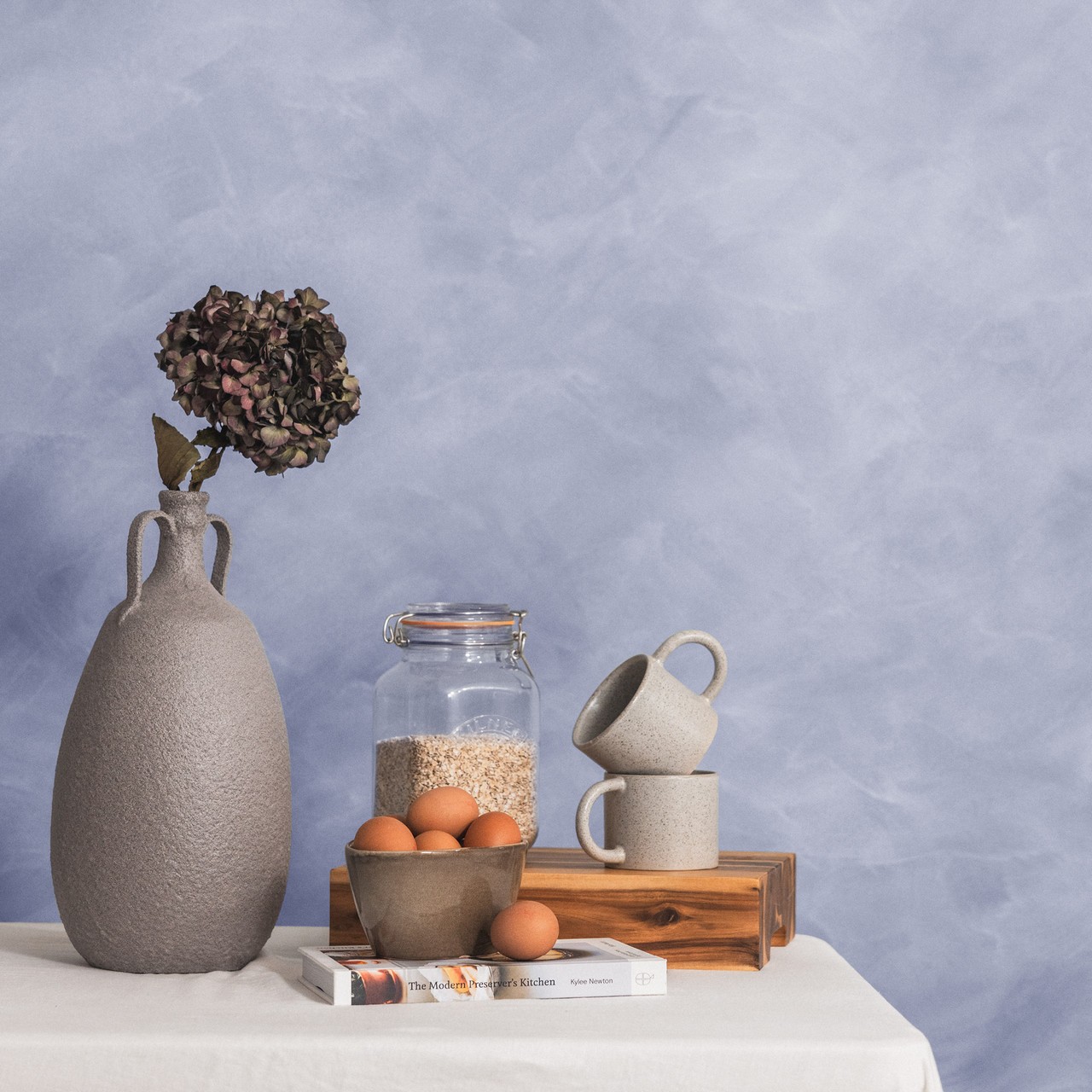
Bauwerk’s palette is thoughtfully edited; soft neutrals, chalky whites, earthy tones and muted hues that sit beautifully in heritage homes, barn conversions and carefully considered contemporary spaces.
Applied correctly, it gives:
• A soft, cloud like movement
• Subtle tonal variation
• A velvety, matte appearance
• A finish that feels calm, natural and architectural
• It isn’t flat. It isn’t shiny. It isn’t uniform.
And that’s precisely the point.
Quality Matters with Limewash
Limewash is only as good as the product and the application.
We choose Bauwerk Colour because the consistency, pigment load and formulation are reliable. Other alternatives often result in patchy coverage, weak colour depth or chalky instability. With a premium mineral paint, we can control the finish properly and guide clients through realistic expectations.
When We Recommend It
• We often specify Bauwerk Colour limewash for:
• Feature walls
• Bedrooms
• Living spaces
• Hallways in period properties
• Breathable heritage walls
Where the substrate is suitable and the environment is right, it performs beautifully.
Professional Application Makes the Difference
Limewash is not a quick roll and go product. It requires correct preparation, the right primers, considered brush technique and an understanding of how lime behaves as it cures. That’s why professional guidance matters.
When clients ask us, “Is limewash right for my home?” the answer always depends on the building, the surface and how the room is used. But when it is right, and when it’s applied properly, Bauwerk Colour delivers a finish that simply cannot be achieved with modern synthetic systems.
If you’re considering a limewash interior finish and want honest advice on whether it’s the right choice for your space, we’re always happy to guide you. Get in touch today for your free estimate.